Sharp Suit, No Stiffness

Arjun Mehta
| 25-08-2026
 · Lifestyle Team
Welcome, readers. A formal suit can make you look organized fast, but it can also make you look boxed in if every part feels too tight, too shiny, or too rehearsed.
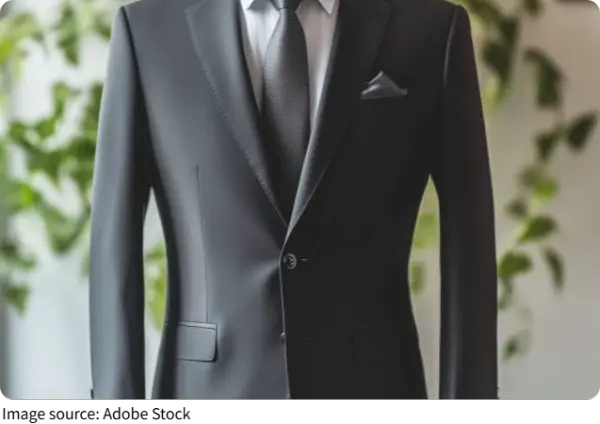
The fix is not skipping structure, it is choosing the right structure. A navy two-button suit, for example, reads clear and capable right away, while a jacket with natural shoulders and a little room through the chest keeps that same clean impression without making you look locked into your clothes.
Fit does the real work
The first thing people notice is not the brand or the price, it is the line of the jacket on your body. If the shoulder seam sits past your actual shoulder, the whole look drops. If the jacket pulls at the button, it looks strained. A solid baseline is simple: the jacket should close neatly, the sleeves should end near the wrist so a small bit of shirt cuff shows, and the trousers should fall cleanly with little break or a medium break. That small cuff reveal matters because it separates the jacket sleeve from your hand and keeps the look precise. Trousers matter just as much. Flat-front trousers usually look cleaner and less busy than heavily detailed ones, especially in charcoal or navy.
Structured, but not rigid
A suit looks stiff when every surface is sharp, dark, and severe at the same time. You can keep the formal frame and ease it up with cloth and color. Navy is an easy example because it stays professional but does not land as hard as solid black. Mid-gray does the same job. Texture helps too. Fresco wool, hopsack, and flannel all soften the look in different ways. A hopsack jacket, for instance, still looks tailored, but the open weave gives it a more relaxed finish than a smooth worsted cloth. That one detail changes the tone before you even get to the shirt or tie.
Shirts and ties set the mood
Most people think the suit makes the outfit formal, but the shirt and tie often decide whether it feels cold or approachable. A crisp white shirt is reliable, though light blue usually feels easier on the eye and less severe with navy. If you wear a tie, keep it straightforward. A dark knit tie or a simple grenadine tie gives you shape at the collar without that overly corporate look some shiny silk ties can create. The collar matters too. A spread or semi-spread collar usually sits well under a tailored jacket and keeps the front balanced. If the event allows it, skipping the tie and keeping the top button open can work, but the shirt collar still needs enough structure to stand neatly under the lapels.

Small details keep it current
You do not need loud details to avoid looking dull. You need controlled variation. Brown leather shoes with a navy suit are a good example because they keep the outfit formal while taking a bit of hardness out of it. A white pocket square in a simple fold adds contrast without turning into decoration for its own purpose. Even the jacket shape changes the message. A moderate lapel looks current longer than an extra-skinny one, and a two-button front stays easier to wear across meetings, dinners, and formal daytime events than something more extreme. If you wear accessories, keep them restrained. A plain watch, a leather belt that matches your shoes, and clean socks in a dark tone are enough.
A good suit should make you look ready, not overworked. That usually comes down to a few concrete choices: navy instead of harsh black, textured wool instead of shiny cloth, a jacket that follows your shoulders, and details that stay simple. If you want that sharp, capable look without the stiff edge, start with fit and let everything else support it. So if you are standing in front of a mirror wondering why a suit feels off, do not reach for louder details first, fix the line, the cloth, and the shirt, and you will look more focused right away.