How to Oil Your Bag

Mariana Silva
| 13-05-2026
 · Fashion Team
Leather is essentially skin.
And like skin, it loses moisture over time — from sunlight, dry air, heat, regular handling, and just existing in the world. When that moisture goes, the leather stiffens, dulls, and eventually starts cracking.
Conditioning reverses that process. It replenishes the oils leather loses, keeps the fibers flexible, and builds a mild protective layer against water, dirt, and daily wear. Think of it exactly like moisturizing — something that works best done regularly before problems appear, not after.
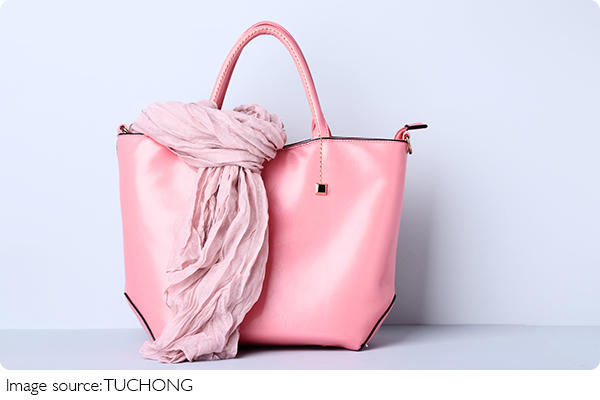
Before conditioning, the leather must be completely clean and fully dry. This part is non-negotiable. If the surface has any dirt, dust, or grime sitting in the pores, the conditioner seals it in rather than nourishing the leather underneath. Start with a soft-bristled brush to clear loose particles. For anything deeper — grime buildup, travel dust, or surface oils from hands — use a small amount of leather cleaner or saddle soap on a soft cloth, work it into the surface, wipe clean, and then wait. Let the leather dry completely before conditioning. Rushing ahead with a damp surface means the conditioner won't absorb into the fibers properly and the whole process loses most of its effect.
Choosing the Right Conditioner
There are three main formats and they each do slightly different things. Leather creams are the most balanced option — a mix of oils and waxes that moisturize, protect, and leave a subtle sheen without dramatically changing the texture. These work well for most everyday bags and handbags. Leather oils like mink oil or neatsfoot oil go deeper into the fiber, which makes them excellent for very dry or neglected leather, but they should be used sparingly — overuse can actually soften the leather too much and weaken the structure over time. Beeswax-based conditioners or leather waxes sit more on the surface and prioritize waterproofing over deep conditioning. Good for bags that see outdoor use, less ideal for fine dress leather. Conditioning sprays are convenient for quick touch-ups and detailed hardware areas but but don't absorb into the material as deeply as cream or oil formats.
How to Apply It Properly
Always test the conditioner on a hidden area first — inside a pocket seam or the underside of a strap — to check for any unexpected color shift before going over the full surface. Apply a small amount to a soft clean cloth, not directly onto the leather. For a bag, remove the strap or set it aside so every surface can be reached properly. Work the conditioner into the leather using small circular motions with firm, even pressure. Cover the entire surface — handles, body, base, and strap — not just the areas that look dry. Once the whole bag is covered, wipe away any excess with a clean cloth and let it rest.

Overnight air-drying is ideal. After it dries, buff lightly with a dry cloth to remove any residue and bring the surface back to a clean, hydrated finish. For regular use bags, conditioning every two to three months is a solid baseline. For older or heavily used leather, monthly conditioning keeps deterioration from gaining ground.