Star Map Secrets

Raghu Yadav
| 21-04-2026
 · Science Team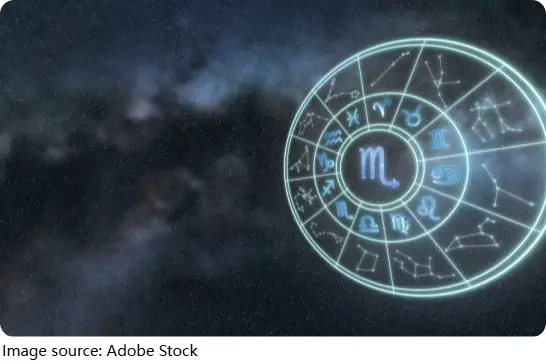
A Sky Full of Meaning
Long before people had apps, charts, or screens, they looked up and tried to make sense of the sky.
Astrology grew from that instinct. It turns the movement of the sun, moon, and planets into a symbolic language that many people use to reflect on personality, timing, and relationships. Even today, it remains popular because it offers something simple but powerful: a way to pause and ask what the moment might be telling you.
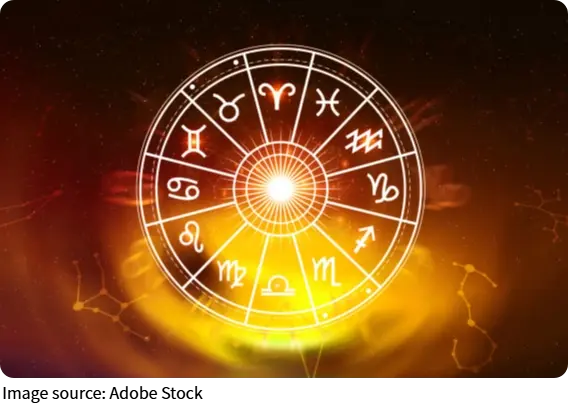
Astrology is not just about horoscopes in a newspaper-style format. At its core, it is a system built on patterns, cycles, and interpretation. A birth chart, for example, maps the sky at the moment of someone's birth and places each planet into a specific sign and house. That chart becomes a kind of symbolic snapshot, often used to explore strengths, habits, and emotional tendencies.
How the Chart Works
A birth chart usually begins with three major points: the sun sign, the moon sign, and the rising sign. The sun sign is often described as the core self, or the main style of expression. The moon sign is linked to emotions, instincts, and private reactions. The rising sign shows the first impression a person gives and the way they move through the world.
These three points already create a richer picture than a single zodiac label. Someone may seem confident on the outside, sensitive in private, and practical when making decisions. That layered structure is one reason astrology feels so personal. It avoids reducing a person to one trait and instead suggests a blend of energies working at the same time.
Why People Turn to It
Many people use astrology during moments of uncertainty. It can offer language for feelings that are hard to describe directly. A difficult period may be framed as a time for patience, reflection, or slow change. That framing does not solve the problem, but it can make the experience feel more manageable.
Astrology also appeals because it encourages self-observation. Reading about a sign or chart placement can prompt people to notice their own patterns more closely. For instance, someone may recognize that they withdraw under pressure, react strongly to criticism, or become energized in social settings. In that sense, astrology works like a mirror, even for those who treat it as symbolic rather than literal.
Reading It Wisely
The most useful way to approach astrology is with curiosity and limits. It becomes more valuable when used as a tool for reflection instead of a strict rulebook. A chart can suggest themes, but real choices still depend on behavior, context, and experience. That balance keeps astrology interesting without turning it into an answer for everything.
1. Use astrology to reflect, not to decide everything.
2. Compare patterns over time instead of trusting one statement.
3. Notice what feels useful and ignore what feels forced.
4. Focus on insight, not prediction alone.
This approach makes the practice more grounded. It leaves room for imagination while keeping personal responsibility in place.
A Language of Symbol
At its best, astrology is less about certainty and more about meaning. It gives people a vocabulary for timing, temperament, and change. Some read it for guidance, some for entertainment, and others for a deeper sense of connection to the sky above them. The appeal survives because it speaks to a timeless human habit: looking outward to understand what is happening within.
That is why astrology remains so enduring. It blends mystery with structure, personal reflection with cosmic imagery, and habit with hope. Whether someone sees it as symbolic art or a serious system, it continues to offer a way to interpret life through the rhythm of the heavens.