Curious Raccoon Facts

Pardeep Singh
| 10-03-2026
 · Animal Team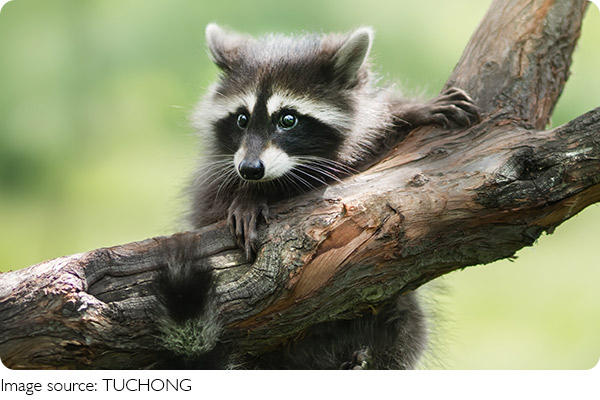
It was late one summer evening when I first noticed the telltale mask and ringed tail peeking over the fence.
Slender fingers reached into the overturned trash can, retrieving scraps with uncanny dexterity.
Like many people, I always knew raccoons were clever, but that up close moment triggered a deeper curiosity: What really makes raccoons such successful and fascinating mammals?
Raccoons have captured human interest not only because of their masked faces and mischievous behaviors but also because of their adaptability, intelligence, and unique biological traits. From their omnivorous diet to their climbing skills, these animals blend survival savvy with behaviors that sometimes blur the line between wildlife and neighborhood visitor. Drawing on authoritative sources such as Britannica and National Geographic, this article explores intriguing aspects of raccoon life that many people may not know.
Physical Traits and Behavior
1. Masked appearance and dexterous paws
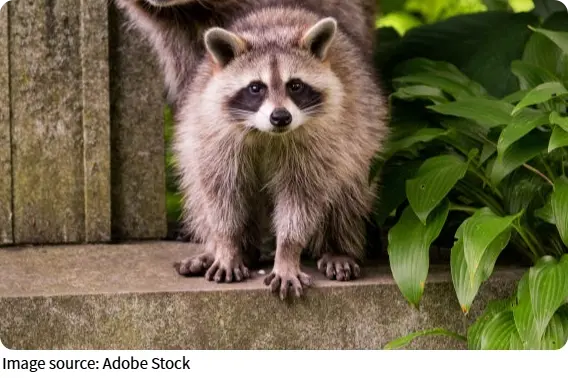
Raccoons are best known for their distinctive black mask and ringed tail, features that make them instantly recognizable. More than just aesthetic traits, their front paws are highly dexterous, resembling slender human hands in function. These paws allow raccoons to manipulate objects, open food containers, and handle their prey in ways that few other mammals can match. Their sense of touch is extremely well developed and helps them investigate objects, especially when foraging near water.
2. Nocturnal lifestyle
Most raccoons are primarily nocturnal, meaning they are most active at night. Under the cover of darkness, they explore diverse environments, searching for food and shelter. This nighttime activity helps them avoid predators and human disturbances. Despite being night active, raccoons have adaptable behavior and can sometimes be seen scavenging during daylight hours when food opportunities arise.
3. Intelligent and adaptable
Raccoons are highly adaptable animals, capable of living in forests, marshes, prairies, and even urban areas. Their intelligence is often highlighted in studies and observations; for example, raccoons can figure out how to open complicated latches or containers to access food. Their adaptability has made them surprisingly common in cities, where they exploit human made food sources such as garbage and pet food.
Diet and Foraging Skills
1. Omnivorous diet
Despite being classified within the order Carnivora, raccoons eat a wide variety of foods. Their diet is omnivorous, meaning they consume both plant and animal matter. In the wild, raccoons forage for crayfish, frogs, rodents, eggs, fruits, nuts, and insects. In urban settings, they readily take advantage of whatever food is available — including discarded food and garden crops. Their flexible diet contributes significantly to their survival success across diverse environments.
2. Water foraging behavior
Raccoons have a reputation — perhaps apocryphal — for “washing” their food in water before eating it. This behavior often occurs when they forage near streams, lakes, or other water bodies, where they feel for prey like crayfish or fish. Although not true washing in the human sense, this behavior reflects how raccoons use environmental resources to aid their feeding.
3. Opportunistic feeders
Whether in forests or cities, raccoons show opportunistic foraging strategies: they are not shy about exploring varied food sources. Their ability to adjust their diet based on availability — from natural foods in the wild to human refuse in urban areas — makes them one of the most successful mammalian generalists.
Reproduction, Lifespan, and Survival
1. Reproductive behavior
Raccoons typically breed in late winter and early spring. After a gestation period of about 60–73 days, females give birth to litters of young raccoons in sheltered dens such as tree hollows or burrows. The mother cares for her kits until they are old enough to begin exploring and foraging independently.
2. Lifespan range
In the wild, average raccoon lifespans are short — often only two to three years — mainly due to threats like predation, disease, and human impacts. However, some individuals may live much longer; raccoons in captivity have been recorded living up to 20 years.
3. Urban survival strategies
Raccoons' adaptability extends to survival in human dominated environments. In cities, they use attics, sewers, and abandoned structures as dens and exploit food sources like trash bins and pet food. This close coexistence with humans highlights both their ingenuity and the importance of coexistence strategies that minimize conflict.
Raccoons are far more than just backyard bandits. Their adaptability, intelligence, and diverse behavioral patterns make them one of the most fascinating mammals in North America and beyond. Whether they are foraging along a forest stream or navigating the alleyways of a city, raccoons exhibit remarkable survival skills that reflect both evolutionary heritage and behavioral flexibility. Observing these traits invites us to appreciate not only their cleverness but also the delicate balance shared between wildlife and human environments.