Growing Phalaenopsis Orchids

Naveen Kumar
| 10-03-2026
 · Plant Team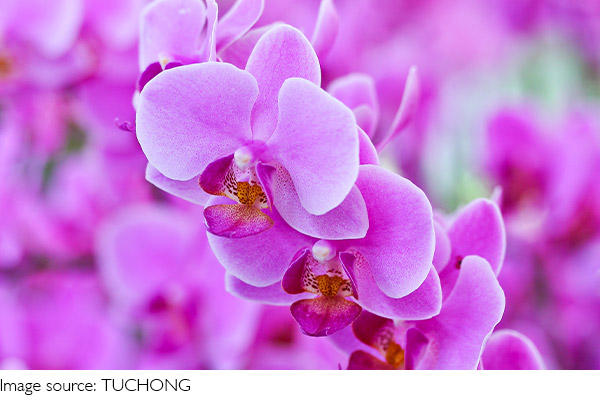
A blooming orchid on a windowsill often stops people in their tracks.
The flowers appear delicate and almost unreal, with smooth petals that can last for weeks without fading.
Many people admire these plants in shops or homes but hesitate to grow them, assuming they must be difficult to maintain. In reality, Phalaenopsis orchids—often called moth orchids—are among the most approachable orchids for home cultivation when their basic needs are understood.
Success with these plants usually comes from paying close attention to roots, light, and watering habits. When those three elements are balanced, the plant responds with steady growth and elegant flowering stems.
Creating the right growing environment
Bright but indirect light
Phalaenopsis orchids prefer filtered light rather than direct sun. A location near an east-facing window is often ideal, where the plant receives gentle morning light but avoids harsh afternoon exposure. Leaves provide a useful signal: medium green leaves generally indicate appropriate lighting, while dark green may suggest insufficient light.
Stable indoor temperatures
These orchids grow best in temperatures between 18°C and 27°C. Sudden drops or extreme heat can slow growth. Many indoor environments naturally fall within this range, which is one reason the plant adapts well to homes and apartments.
Moderate humidity
Phalaenopsis orchids originate from humid environments, so moderate humidity supports healthy roots and leaves. Levels around 50–70 percent work well. A simple tray filled with pebbles and water placed beneath the container can help increase humidity without soaking the roots.
Choosing proper containers and growing media
Air-friendly potting mix
Unlike many houseplants, these orchids do not grow well in regular soil. Their roots require air circulation. Orchid bark mixtures made from pine bark, charcoal, or coconut husk allow water to drain quickly while maintaining airflow around the roots.
Transparent pots for root observation
Many growers prefer clear plastic orchid pots. These containers allow light to reach the roots and make it easy to monitor moisture levels. Healthy roots appear firm and green when moist and slightly silvery when dry.
Effective drainage
Containers should have multiple drainage holes. Standing water can quickly damage orchid roots, so excess water must be able to leave the container freely.
Watering and feeding habits
Watering once the mix begins to dry
Phalaenopsis orchids generally need watering every 7 to 10 days, though the exact schedule depends on temperature and humidity. Instead of following a rigid calendar, many growers check the potting mix and water when it becomes mostly dry.
Watering thoroughly but briefly
When watering, it is best to soak the bark mixture completely and then allow all excess water to drain away. Running room-temperature water through the container for about 30 seconds usually works well.
Light fertilization
During active growth, orchids benefit from diluted orchid fertilizer about every two weeks. Many growers follow a simple practice: weak fertilizer applied regularly rather than strong doses.
Encouraging reblooming
Trimming the flower spike
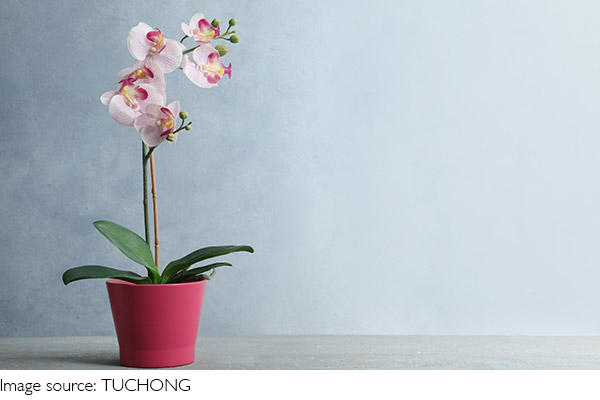
After the flowers fade, the spike can be trimmed just above a visible node. In some cases, a side branch will develop from that node and produce another cluster of flowers.
Cooler nighttime temperatures
A slight drop in nighttime temperature—around 5°C lower than daytime—can encourage the plant to form a new flower spike. This temperature difference often occurs naturally during seasonal changes.
Patient observation
Orchids sometimes rest between blooming cycles. During this period the plant focuses on strengthening leaves and roots. Consistent care during these quiet months prepares the plant for its next flowering phase.
A thriving Phalaenopsis orchid slowly becomes part of the rhythm of a home. The leaves expand a little each season, roots stretch along the surface of the bark, and eventually a slender spike rises with a row of buds forming along its length.
When those buds finally open, the result feels less like luck and more like a quiet collaboration between grower and plant. With a bit of patience and attentive care, that graceful display can return year after year on the same windowsill.