The Real Gold Behind Medals

Finnegan Flynn
| 05-02-2026
 · Information Team
Watching athletes on the podium, their eyes gleaming with triumph, it's easy to assume they're holding pure gold.
That shining medal feels like the ultimate symbol of victory, but the truth behind Olympic gold is more complex—and surprisingly practical.
Understanding what these medals are made of reveals a mix of history, chemistry, and careful design choices that balance prestige with durability.
The History of Olympic Medals
Olympic medals haven't always been made the same way. In the first modern Olympics of 1896, winners received silver medals, and there was no gold at all. By the 1900 Games, gold medals were introduced, but they weren't solid gold as many assume. Historically, medals have evolved to reflect advances in materials and cost considerations.
Practical insights:
1. Knowing the history adds appreciation when watching medal ceremonies.
2. Collectors and enthusiasts often study old medals to understand design and composition changes.
3. Museums and Olympic archives showcase medals that reflect cultural and technological shifts over the decades.
For example, a 1912 Olympic gold medal was mostly silver coated with a thin layer of gold, making it both prestigious and affordable to produce at the time.
What Olympic Gold Medals Are Made Of Today
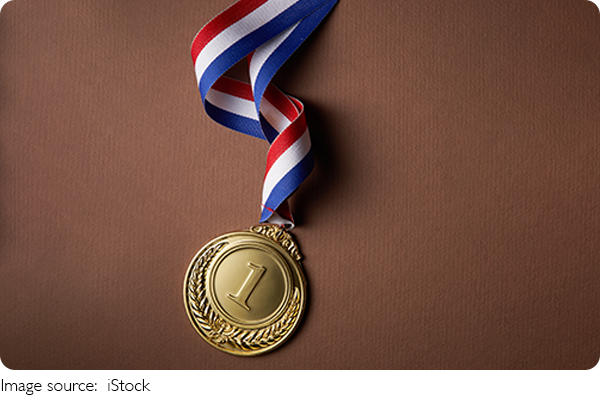
Modern Olympic gold medals are not solid gold. They are primarily made of silver and coated with a thin layer of pure gold. The International Olympic Committee requires that gold medals contain at least six grams of gold, with the rest being silver. This combination ensures a balance of visual impact, weight, and durability.
Practical insights:
1. Recognize that the “gold” shine comes from plating, not pure metal.
2. Understand that silver provides a sturdy base that prevents warping or damage.
3. Realize that the gold layer adds prestige while keeping production feasible for large events.
For instance, the Tokyo 2020 Olympics medals contained about 6 grams of gold over nearly half a kilogram of pure silver, giving them the appearance and weight of a substantial award without being solid gold.
Design and Symbolism
The composition of a medal also affects its design possibilities. Since it's mostly silver, engravers can craft intricate patterns, logos, and reliefs that would be difficult with pure gold, which is softer and more prone to scratches. This allows each Olympic edition to carry unique cultural and aesthetic elements.
Practical insights:
1. Examine medal designs closely to see how artists use silver to achieve fine details.
2. Note that gold plating enhances highlights without compromising intricate work.
3. Consider the medal's weight and balance, which are influenced by the silver core.
For example, the Rio 2016 medals included recycled materials and a textured surface, made possible by the silver foundation, creating a visually appealing and environmentally conscious award.
Durability and Practicality
Solid gold would be too soft and expensive for Olympic medals. Silver provides strength and longevity, while the gold layer prevents tarnishing and gives the iconic look. Athletes can display or handle their medals without worrying about bending, and the medal maintains its shine for decades.
Practical insights:
1. Store medals properly in soft cases to preserve both gold plating and silver core.
2. Clean gently with a soft cloth; harsh chemicals can damage the thin gold layer.
3. Understand that even though they're plated, these medals remain valuable and prestigious.
For example, athletes from the 1964 Tokyo Olympics still have medals that retain their luster because the combination of silver and gold plating protects the medal over time.
The Value Beyond Gold
While the intrinsic value of the materials is significant, Olympic medals carry symbolic, historical, and personal value far beyond metal content. The combination of gold and silver creates a meaningful, durable, and visually impressive award that represents years of dedication, training, and achievement.
Practical insights:
1. Recognize that the value of a medal is not just in metal—it's in effort, story, and legacy.
2. Use this knowledge to appreciate the engineering and artistry behind medal creation.
3. Understand that medals symbolize excellence, making their materials a tool for lasting prestige.
For instance, when watching a medal ceremony, knowing that the “gold” medal is actually a carefully crafted blend of silver and gold enhances appreciation for the combination of artistry, tradition, and achievement it represents.
Olympic gold medals are more than just metal—they are a marriage of history, science, and artistry. Made from a silver base coated with pure gold, they balance beauty, durability, and symbolic power. While the shiny surface draws the eye, it's the thoughtful composition underneath that ensures the medal can withstand the hands of champions and remain a lasting emblem of excellence. Each medal tells a story of triumph, skill, and precision—both in sport and in design.