Baseball Game Thrills

Caleb Ryan
| 09-01-2026
 · Sport Team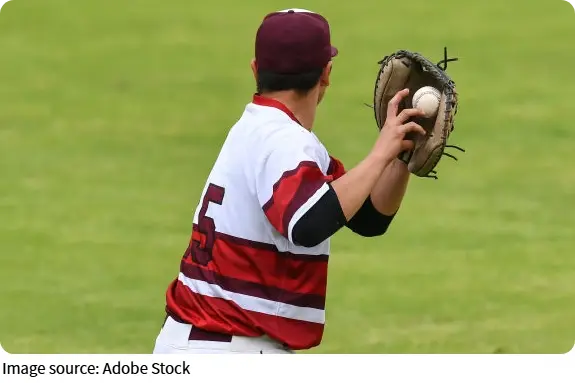
Have you ever been to a baseball game and felt your heart race with every pitch? Baseball is not just about hitting a ball; it’s about timing, strategy, and teamwork. In a game, two teams take turns batting and fielding.
The excitement comes from the back-and-forth nature of the game—one moment we cheer a home run, the next we hold our breath for a close out. Each inning feels like a story unfolding, and understanding how the game works helps us appreciate every play and every decision the players make.
The Basic Rules of a Baseball Game
A standard baseball game usually has nine innings. In each inning, both teams get a chance to bat and a chance to field. Offensive players aim to hit the ball pitched by the opposing pitcher and run around four bases to score runs. Defensive players try to catch hits, throw the ball quickly, or tag runners out. The team with the most runs at the end of nine innings wins.
If the score is tied, extra innings are played. Some leagues have special rules to speed up extra innings, such as starting with a runner on second base to increase scoring chances. This back-and-forth battle of offense and defense keeps the game unpredictable and exciting for us as spectators.
Positions and Roles
Every player in a baseball game has a specific role. Pitchers are in charge of throwing the ball to challenge hitters. Catchers protect home plate, receive pitches, and coordinate with the pitcher on strategy. Infielders cover the bases and try to tag runners out, while outfielders are responsible for catching fly balls and preventing long hits.
On offense, hitters focus on timing their swings, while base runners decide when to run or take risks. Watching how these roles interact helps us understand the strategy behind each play. We begin to see that baseball is as much a thinking game as it is physical.
Equipment and Field Setup
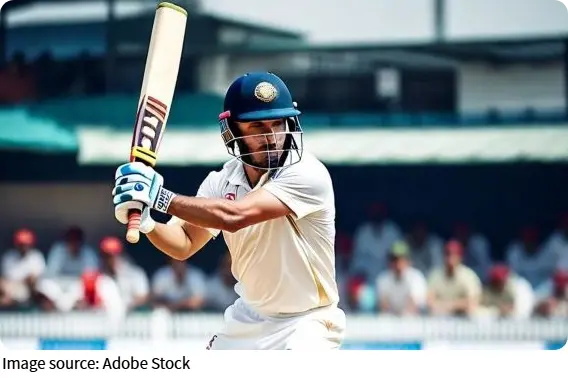
A baseball game requires a few key pieces of equipment: a baseball, bats, gloves, and cleats. The field has four bases arranged in a diamond shape. Offensive players run from base to base after hitting the ball, while defensive players try to stop them from scoring. As we follow the game, we notice the precision and skill involved in every pitch, swing, and catch. Even small details, like positioning in the field or timing a tag, can change the outcome of a game. Learning about the equipment and field setup gives us a deeper appreciation of the game.
Exciting Moments in Baseball
What makes baseball truly thrilling are the unexpected moments—home runs, double plays, strikeouts, and stolen bases. Each pitch has the potential to change the game. We can feel the tension building as a runner slides into a base or the pitcher throws a perfect strike. Every hit can shift momentum, and every defensive play can save the game. These moments are what make baseball memorable. We cheer, groan, and celebrate together, sharing the emotions that unfold inning by inning.
Strategies That Keep Us Hooked
Baseball is not only about athletic skill but also about strategy. Teams study their opponents’ strengths and weaknesses. Pitchers decide which type of pitch to throw, while hitters decide whether to swing or wait. Base runners calculate when to take risks, and fielders anticipate the ball’s direction. This mental chess match adds another layer of excitement for us as fans. Watching a well-planned double play or a perfectly timed steal shows us that baseball is a game of both brains and brawn.
Watching or Playing Baseball
We can enjoy baseball both as spectators and as players. Going to a live game lets us feel the crowd’s energy, hear the smack of the bat, and smell the stadium snacks in the air. Watching on TV or online allows us to focus on details, strategy, and player performance. Playing ourselves, even casually in a park, gives us firsthand insight into the skill and coordination needed. These experiences help us understand why baseball is more than a game—it’s a shared activity that connects people.
Global Popularity
Baseball started in 19th-century England but became a national pastime in the United States before spreading to Asia and Central America. Today, countries like Japan, South Korea, and several Central and Latin American nations rank baseball among their top sports. While its popularity in the U.S. has seen some decline, professional leagues remain highly competitive, and events like the World Baseball Classic attract fans worldwide. Seeing how the sport unites people across different countries gives us an appreciation for baseball’s cultural impact.
Baseball as a Shared Experience
Lykkers, baseball is more than a sport—it’s an experience we can share with friends and family. From cheering in the stands to playing our own games, we enjoy the teamwork, strategy, and excitement it brings. Every pitch, swing, and play creates memorable moments we can celebrate together. Next time a baseball game starts, we can focus not only on the score but also on the effort, skill, and strategy behind every thrilling inning. Baseball keeps us engaged, entertained, and connected—one game at a time.
Baseball Rules : Rules of Baseball Game
Video by Mr.Animate