Snow Thrill Ride

Ethan Sullivan
| 09-01-2026
 · Sport Team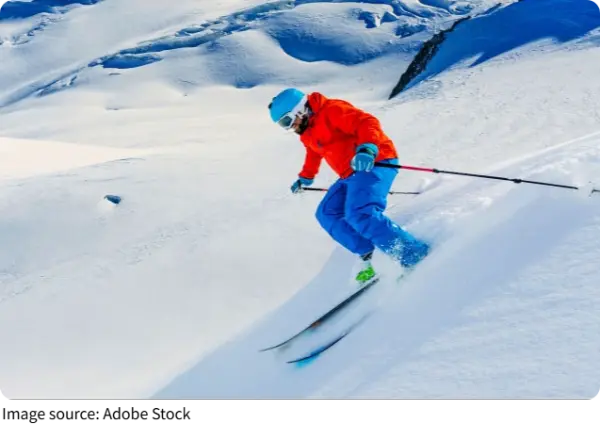
Imagine standing at the top of a snowy slope, feeling the crisp air and looking down at the sparkling white trail. Skiing isn’t just a sport—it’s an adventure that mixes skill, excitement, and pure fun.
Today, we’ll explore skiing together, from the equipment we need to the different types of skiing and helpful tips for beginners. By the end, we hope you feel ready to try your first run or at least understand why skiing is so thrilling.
What Skiing Really Means
At its core, skiing is sliding across snow using boards attached to our boots. We balance with poles, control speed with our body, and navigate slopes using turns and weight shifts. Four key elements make skiing work: standing, boards, snow, and sliding. When we master these, we can experience speed, smooth turns, and even jumps, depending on the style we choose.
Understanding Ski Equipment
Modern skis are made from a mix of wood, metal, and plastic, which makes them strong, flexible, and stable. Boots attach firmly to skis, and poles help us stay balanced and rhythmical. Helmets and goggles protect us while enhancing vision on bright or windy days. Knowing how each part works makes us feel safer and more confident when sliding down the slopes.
Main Types of Skiing We Can Try
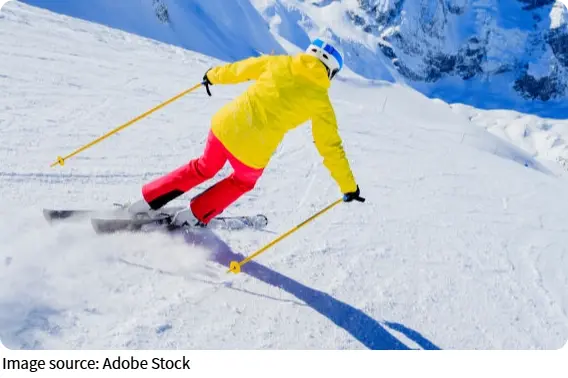
Skiing comes in many styles. Alpine skiing is the classic downhill race with short and long turns. Cross-country skiing lets us glide over flat or gently sloped trails for long distances. Jump skiing focuses on soaring through the air with precision. Freestyle skiing combines tricks, flips, and jumps in creative ways. Snowboarding uses a single board instead of two, offering a different balance style. Ski mountaineering mixes climbing and skiing on mountain terrain and was recently added to major winter events.
A Quick Look at Skiing History
Skiing started centuries ago as a way to move across snowy landscapes in countries like Norway, Sweden, and Finland. In the 18th century, it became a modern sport. The first ski team appeared in Norway in 1733, and by 1861, the first ski club and national competitions were held. These steps helped skiing evolve from transportation to organized competition, setting the stage for the sport we enjoy today.
Global Skiing Events
In 1924, the International Ski Federation (FIS) was established to organize world championships. Originally annual, competitions became biannual after 1948. FIS sets rules, ensures safety, and brings together skiers worldwide. Today, major winter events, including the Winter Olympics, showcase new styles like ski mountaineering, highlighting how skiing continues to evolve.
Why We Love Skiing
Skiing feels like flying. Sliding downhill, we feel the rush of cold air, the quiet snow, and the freedom of movement. Controlling turns with small shifts in our body makes each slope unique. Whether we glide calmly or perform jumps, skiing combines focus, excitement, and a sense of achievement we can’t find anywhere else.
Tips for Beginners
For first-timers, we recommend starting on gentle slopes. Learn to stop, turn, and keep balance before moving to faster runs. Many ski resorts in Europe, North America, and Japan offer lessons with clear instructions and safe practice areas. Wearing proper clothing, staying hydrated, and checking slope conditions help us enjoy skiing safely and comfortably.
Skiing Today and Tomorrow
Skiing keeps evolving with new styles, better equipment, and creative competitions. From freestyle tricks to ski mountaineering challenges, we can explore snow in more ways than ever. It’s a sport that welcomes beginners, enthusiasts, and experts alike.
Let’s Hit the Slopes
Skiing is more than a winter pastime—it’s a mix of history, skill, and pure enjoyment. Watching professionals soar down steep slopes is inspiring, and trying our first gentle run is equally exciting. The snow, the speed, and the freedom make every moment unforgettable. Are you ready to feel the thrill of skiing? Let’s grab our skis and discover the joy of the slopes together!
How to Ski - What you need to know for your first day | REI
Video by REI